An air conditioning system is essential for maintaining indoor comfort and healthy airflow during hot weather conditions. Internal components may also be broken or deteriorated over time which decreases cooling capabilities and consumes more energy. Timely AC component replacement can be used to reduce unexpected failures, enhance the performance of the system and facilitate reliability in the long run. Using quality air conditioner replacement parts also helps maintain proper airflow and consistent cooling throughout the year.
Neglecting such red flags as strange sounds, poor air circulation or an increase in electricity bills can cause serious HVAC issues and result in costly maintenance. Minor component breakdowns have a tendency to escalate into huge system problems when not corrected in the initial stages. Routine checkups and timely repairs are used to pinpoint the damaged components in time thus providing efficient cooling, reduced operation costs and improved in-door comfort in the houses and business premises.
Understanding AC Components and Their Functions
Key Parts of an Air Conditioning System
- Compressor to circulate refrigerant.
- Indoor heat absorbing evaporator coils.
- Coils of condensers which are thrown off.
- Blower fan for air circulation
- Capacitors to aid electrical starting.
- Thermostat regulating the temperature.
- Refrigerant lines that allow the transfer of heat.
- Drain lines eliminating water accumulation.
How AC Components Affect Cooling Efficiency
All AC parts have direct influence on cooling effectiveness and airflow regularity. Broken coils, defective motors or defective thermostats decrease efficiency and use more power. Well-functioning parts guarantee the maintenance of balanced temperatures, faster cooling and smooth operation without overloading the HVAC system.
Common Causes of Component Wear and Failure
- Failure to maintain regularly.
- Contaminated air filters.
- Electrical power fluctuations
- Continuous system overuse
- Leaks of refrigerant that are damaging compressors.
- Moisture causing corrosion
- The build-up of dust within components.
Sign 1: Weak or Inconsistent Airflow
Blocked or Damaged Blower Components
Obstructed blower assemblies tend to decrease the quantity of air that flows via vents. There may be a blockage of dirt, broken blade or bearings that have become worn out which inhibits airflow and results in uneven cooling. By changing faulty blower units it will reinstate the correct circulation and enhance overall comfort in the home effectively.
Fan Motor Issues Affecting Air Circulation
The defective fan motor can have difficulty in the distribution of cool air within the building. The weak airflow, overheating or strange humming sounds usually signify the damage to the motor. On-the-spot check and repair will avoid further burden on the air conditioning system.
When Poor Airflow Indicates Replacement Needs
A few days of poor airflow is normally an indication of internal component failure as opposed to mere maintenance problems. Badly worn fans blocked evaporator coils or broken motors might need urgent AC component replacement to ensure efficient cooling operation and avoid bigger HVAC issues.
Sign 2: Strange Noises Coming From the AC Unit
Grinding and Squealing Sounds Explained
Sounding grunts are usually signs of worn bearings or electrical problems within the AC system. The squealing can normally be attributed to loose belts or damaged fan motors. These sounds are not to be left alone as they are normally an indicator of serious mechanical problems within the body.
Loose or Worn-Out Internal Components
The rattling may be caused by loose screws, broken fan blades or vibrating panels. With time, wear on the surrounding components is aggravated by continuous vibration. The replacement of the worn-out internal components in a short time saves further destruction of the structure and enhances the reliability of the whole HVAC.
Compressor and Motor Failure Warning Signs
Banging, buzzing or clicking sounds are usually indicative of malfunctioning compressors or electric motors. These key elements have a direct influence on cooling. Any postponement in repairs can cause complete system breakdown and the replacement can be very costly and the downtime will be prolonged when it is hot.
Sign 3: Warm Air Instead of Cool Air
Compressor Problems and Cooling Failure
Compressor is vital in pumping the refrigerant around the cooling system. Once it is damaged or overheats, the AC unit can blow warm air. Quick fixes can assist in avoiding imbalance of the refrigerant and total breakdown of the cooling system.
Refrigerant-Related Component Damage
The low amount of refrigerant can also overload compressors and coils, damaging them internally. Cooling can also be affected adversely by leaks. Early replacement of damaged parts also avoids additional damage and allows the constant maintenance of the indoor temperature.
Thermostat and Capacitor Malfunctions
Malfunctioning thermostats or broken capacitors may break the connection between cooling elements. This can lead to improper functioning of the AC system or failure of the AC system. By substituting these broken components, proper temperature control and a fluent operation of the system is restored in a short period.
Sign 4: Frequent AC Cycling
Short Cycling Causes in HVAC Systems
Short cycling is the intermittent on and off of an AC unit with brief periods. This is usually caused by dirty coils, faulty thermostats or electrical problems. The common cycling leads to greater pressure on the internal components and a significant decrease in the efficiency of the systems.
Electrical Component Failure Indicators
Bad capacitors, contactors or control boards usually lead to unreliable functioning and unexpected cutoffs. Stuttering power, clicking or interrupted cooling cycles are signs of wear on electrical components. The early check will also avoid the emergence of hazardous overheating and costly emergency repair cases.
Why Continuous Cycling Increases Repair Costs
The repeated start and stop of compressors and motors by continuous cycling puts additional strain on key parts of the HVAC system. This unwarranted pressure adds to the consumption of electricity and costs of repair. Early replacement of failed components is used to prevent bigger system failures and enhances cooling reliability considerably.
Sign 5: Rising Energy Bills
Inefficient Components Increasing Power Consumption
Broken compressors, contaminated coils or broken fan motors cause the AC system to use more electricity to operate. With the declines in efficiency, monthly energy bills are increasing. The replacement of damaged parts will assist in restoring the right performance and minimizing the amount of energy wastage.
Aging AC Parts and Energy Waste
The efficiency of old HVAC components is diminishing gradually due to the constant use of the components and natural wear. Older motors and electrical components will tend to need more power in order to sustain the cooling output. The refurbishment of obsolete parts enhances the efficiency of the system and helps to maintain the same temperature indoors.
How Replacement Improves Energy Efficiency
Newer and better functioning components can be installed to enable the AC system to cool spaces at a faster rate using less electricity. Energy efficient components alleviate pressure on operations, reduce the chances of overheating and assist home owners to reduce long-term utility bills and increase the overall comfort level.
Sign 6: Water Leaks or Moisture Around the Unit
Drain Line and Condensate Problems
A leakage of water around the AC units is usually caused by blocked drain lines or damaged condensate systems. The excess of moisture can cause the growth of molds and interior damage. The early repairs can be used to ensure that the drainage is maintained and that the structural issues caused by moisture do not deteriorate any further.
Corroded or Damaged Internal Parts
Water accumulation within the AC will cause corrosion of coils, electrical wires and metal. Corrosion deteriorates performance of systems and the chances of electrical breakdown. Internal components (such as damaged ones) can be replaced to provide safe and reliable HVAC performance.
Preventing Water Damage Through Timely Replacement
Installing new damaged drain pans, pumps or leaking coils prevents the expensive water destruction within homes or offices. Humidity issues also are minimized by proper maintenance, as well as surrounding HVAC components are not deteriorated by moisture and long-term performance deterioration.
Sign 7: Burning Smells or Unusual Odors
Electrical Wiring and Capacitor Issues
An ac unit is likely to be overheating its wires or deteriorated capacitors as it burns. Electrical problems may pose threats when they are not addressed in a long time. On-the-spot inspection and replacement minimize the fire hazard and restore normal operations in the cooling system.
Mold Growth Inside HVAC Components
The development of musty odors is typically due to the growth of molds in the interior of evaporator coils, drain lines or air ducts. Excessive humidity promotes bacterial infection and the quality of indoor air. Washing and changing the affected parts is also a way of getting rid of bad odour.
Safety Risks of Ignoring AC Odors
Abnormal smells can be used to indicate severe electrical or water-related problems within the HVAC system. A lack of attention to these warning signs may result in overheating, the breakdown of the systems or health-related issues. As soon as possible is the operation to guarantee safer operation and better indoor air condition of occupants.
Sign 8: AC Takes Longer to Cool the Space
Declining Compressor Performance
With an old or broken compressor, it can be hard to circulate refrigerant effectively throughout the AC system. The cooling capacity is usually reduced resulting in rooms staying longer. The replacement of weak compressor parts will aid in regaining quicker and steadier cooling action within.
Dirty or Damaged Evaporator Coils
Heat in the indoor air is then absorbed by coils in the evaporator prior to the start of circulation. Coiled with dirty or damaged coils will have less heat transfer, making it slow to cool. Replacing or cleaning these coils will also enhance airflow as well as the overall performance of the HVAC system.
Signs Your Cooling Components Are Failing
The slow cooling rate, unequal room temperature and longer operating periods are usually an indication of faulty cooling parts. By not paying attention to these symptoms, wear and tear to compressor and motors can be aggravated. Quick AC component replacement can aid in achieving the optimum cooling efficiency and system reliability.
Sign 9: Constant Repairs and Maintenance Calls
When Repairs Become More Expensive Than Replacement
The frequent repairs usually mean that the major parts of the HVAC systems are nearing their end. Those frequent service calls might soon be costlier than simply getting new components. The timely upgrades minimize the cost of repair recurrences and enhance system reliability.
Identifying Repeated Component Failures
The recurrent breakdowns of capacitors, motors or compressors indicate more serious problems in the AC system. Parts that are under constant stress can break down over and over due to failure without being replaced. Professional checks can be used to find out the underlying causes before the HVAC can be severely damaged.
Cost Benefits of Immediate Component Replacement
The replacement will save the cost of repetitive work and spare related parts of early breakdown. Replacement parts should be invested in enhancing long-term performance, reducing the emergency repair risks, and ensuring the effectiveness of cooling over the lifetime of the HVAC system.
Sign 10: AC Unit Age and Reduced Performance
Average Lifespan of AC Components
The life of most AC parts is 10-15 years under the condition of maintenance quality and usage. The compressor, capacitor and motors will wear out with time making them less efficient and also they will most likely break down unexpectedly.
Aging Systems and Frequent Breakdowns
The aged HVAC systems tend to suffer frequent failures due to deterioration of parts as they are unable to cope with cooling conditions. The symptoms of decreased productivity, uncharacteristic sounds and uneven air circulation are typical when internal parts are nearing the limits of their working capacity.
Knowing When to Upgrade Essential Parts
When the number of repairing a homeowner is higher and cooling efficiency is significantly lower than before, it is time to replace such important components. Modifications such as replacement of key parts enhance energy consumption, increase the reliability, and avoid unplanned failures in the HVAC systems at times when they are highly in demand.
Importance of Professional HVAC Inspection
Benefits of Expert AC Diagnostics
- Properly diagnosed malfunctioning parts.
- Better safety and reliability of the system.
- Elimination of costly repairs in the future.
- Improved energy efficiency measurement.
- Quickly solve problems and fixes.
- Long life of HVAC system.
How Technicians Identify Faulty Components
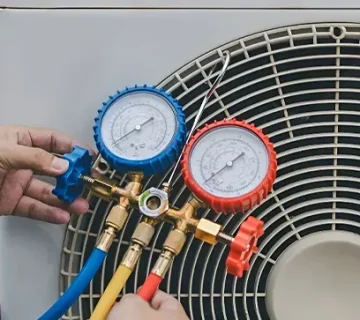
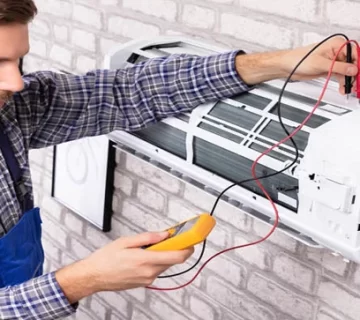
HVAC technicians also have diagnostic tools that allow them to check the airflow, electrical connections, refrigerant levels and compressor performance under the hands of professional HVAC technicians. Both comprehensive and time-sensitive inspections can be used to detect any hidden problems in the initial stages and damaged parts can be either repaired or replaced before major breakdowns happen.
Preventive Maintenance Recommendations
Often check-up, cleaning of filters, checking refrigerant and coil repairs contribute to avoiding unnecessary wear of the parts. Preventive maintenance also enhances airflow, lowers the amount of electricity consumed and long-term cooling performance and helps prevent emergency situations of the HVAC repair during the year.
Tips to Extend the Life of AC Components
Regular HVAC Maintenance Practices
Regular HVAC maintenance allows scheduling the cleanliness and functionality of all internal components. Regular servicing aids in detection of minor problems before they escalate and puts less pressure on compressors, motors and electric systems and enhances efficient cooling all the time.
Cleaning and Replacing Filters on Time
Unclean air filters block the airflow and compel HVAC to put in more efforts in its operation. Changing filters on a regular basis will enhance the quality of indoor air, ensure efficient cooling and avoid unnecessary deterioration of valuable fans, motors and other evaporator elements.
Monitoring System Performance Year-Round
Checking the airflow, temperature stability and the amount of energy used during the year is also beneficial to detect performance problems at their first stages. Timely response to abnormal sounds, smells or lack of cooling avoids further damage to parts and assists in successful long-term work of the HVAC.
Frequently Asked Questions
HVAC systems tend to have compressors, capacitors, fan motors, thermostats and evaporator coils that fail.
Hot air, loud noise and poor cooling are usually signs of compressor failure.
Yes faulty parts require the system to use more power to run.
At least once or twice a year professional inspections of HVAC are recommended.
A replacement would be preferable when fixing costs are frequent or prohibitive.
The fan motors are often damaged by overheating, electrical problems, accumulation of dust particles and constant running.
Minor work can be done however significant element replacements demand professional HVAC experience.
Properly maintained AC components are expected to last 10-15 years.
Ignoring warning signs can result in costly breakdown and total HVAC system failure.
The prices will differ based on the damaged part and the general condition of the HVAC system.
Conclusion
Recognizing early HVAC warning signs can help homeowners prevent costly repairs and sudden cooling system failures. Poor airflow, strange sounds, and water leaks as well as increased electricity bills are some of the signs that the internal components may be damaged and can not be overlooked. Early AC component replacement can be used to enhance cooling efficiency, eliminate energy waste, and prolong the life of the entire air conditioning system in ensuring long-term indoor comfort.
Regular inspections and preventive maintenance are essential for detecting hidden issues before they become serious HVAC problems. By using quality air conditioning repair parts to replace defective parts unnecessary strain on the system is prevented and helps to keep the system running smoothly all year round. Early repairs also assist in reducing the amount of energy used, enhance indoor air quality, and provide the same cooling performance at all seasons.