Modern cooling systems depend on reliable components to maintain comfortable indoor temperatures and consistent airflow. Compressors are the most significant HVAC parts that guarantee effective and efficient cooling functions. High-quality compressors for cooling systems can assist businesses and home owners to gain a higher efficiency, reduce costs of operation and reliable control of temperature. The increased use of sophisticated HVAC systems has led to more demands on resilient and energy efficient solutions as well.
To ensure the long term performance of the system it is important to select reliable HVAC equipment and authentic air conditioner replacement parts. Business premises, residential areas, malls and factories all depend on cooling systems which can perform effectively in various weather conditions. High-performance compressor contributes to stable cooling, minimizes energy loss and minimizes the danger of costly breakdowns.
Understanding the Role of Compressors in Cooling Systems
What Is an HVAC Compressor?
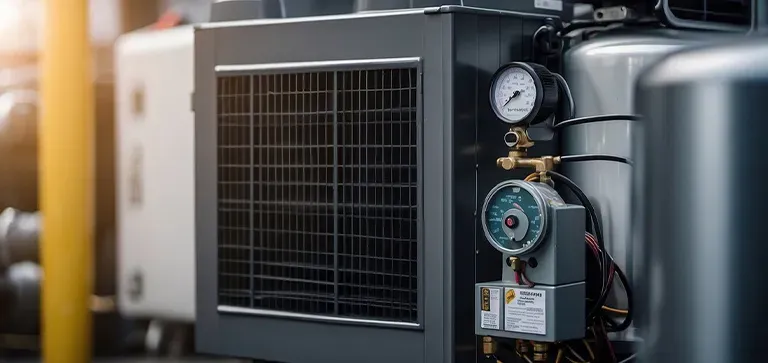
The primary element that circulates refrigerant in the cooling system is an HVAC compressor. It pressurizes low pressure gas of refrigerant and drives it into the high pressure gas which facilitates heat transfer and enables the system to offer efficient cooling services in residential and commercial environment.
How Compressors Support Cooling Performance
- The compressors aid in the smooth flow of refrigerant within the HVAC system.
- They ensure that there is the right amount of pressure to achieve effective heat exchange.
- Compressors facilitate the maintenance of a constant temperature indoors.
- They enhance the cooling rate and general airflow performance.
- Effective compressors save the strain of other HVAC components.
Types of Compressors Used in HVAC Systems
Reciprocating Compressors
Reciprocating compressors rely on the squeeze effect of compressing refrigerant by using pistons and are found in residential and light commercial HVAC systems.
Scroll Compressors
The scroll compressors are quiet and efficient as they compress refrigerant using spiral shaped components with a minimum vibration.
Rotary Compressors
Rotary compressors involve rotation compressors of refrigerant and are applicable to compact and energy efficient cooling systems.
Screw Compressors
Due to their constant cooling ability, reliability, screw compressors are mostly utilized in large commercial and industrial HVAC systems.
Why Compressor Quality Matters
Impact on Cooling Efficiency
Using high-quality compressors for cooling systems improves cooling efficiency by maintaining proper refrigerant flow and stable pressure levels. Effective compressors save on time spent in cooling, enhance comfort in the interiors and enable the HVAC systems to run in a very smoother way without causing any undue strain to internal parts.
Influence on Energy Consumption
Compressors of high quality use less electricity since they are efficient with optimum circulation of refrigerant. Energy efficiency will decrease utility expenses and enhance the overall operation of HVAC. The alternative cooling systems with fewer carbon emissions are also aided by efficient compressor technology.
Contribution to System Reliability
Quality compressors minimize the possibility of unexpected failures and expensive maintenance of HVAC. They have stable cooling even in severe climatic conditions. Long life compressors also prevent the overstress and wear on crucial HVAC parts during the service period.
Importance for Long-Term Performance
Long-lasting compressors assist HVAC systems to perform well over a long period of time. Good materials and enhanced engineering enhance durability, lower the rate of maintenance and aid continuous operation. This guarantees year-round reliable cooling of residential, commercial and industrial settings.
Benefits of High-Quality Compressors
Improved Cooling Capacity
Cooling systems with high-quality compressors for cooling systems due to better circulation and heat transfer of the refrigerant. This enables the HVAC systems to cool the area of the buildings more quickly and hold the temperatures constant, particularly when the environment is hot and the cooling load is massive.
Lower Electricity Costs
Compared to inefficient compressors, efficient compressors will not consume a lot of power to deliver required cooling. Less power consumption will enable homeowners and businesses to save the monthly energy bills and still enjoy indoor comforts. The contemporary compressor technology also enhances the efficiency of operation in long cooling periods.
Reduced System Downtime
Dependable compressors will minimize unpredictable system breakdowns and decrease service pauses. HVAC systems that have quality compressors can be used continuously and during longer durations without any disruption to the cooling of offices, homes, hospitals, shopping malls and industrial facilities.
Longer Equipment Lifespan
The robust compressor builds decrease the wear of HVAC devices and improve the cooling system life. The long-lasting compressors reduce overstrain on motors, refrigerant lines and electrical parts, allowing the systems to be efficient and reliable over a long period of time.
Quieter System Operation
Modern-day compressor technology greatly minimizes the noise and vibration levels when operating. Silent HVAC technologies enhance comfort indoors in residential buildings, hotels, offices and healthcare centers where tranquility is of significance to the occupants and visitors.
Better Temperature Stability
Quality compressors ensure that the refrigerant pressure is constant and aid in maintaining consistent cooling. This enhances stability in the temperature in the indoor areas, avoids unpredictable results and makes the conditions in the home and business more comfortable.
Common Problems Caused by Low-Quality Compressors
Frequent System Breakdowns
Poorly built compressors have a tendency to fail in their operation because of low quality. Breakdowns may occur frequently, elevate the cost of repairs, disrupt the cooling efficiency and cause extra load on other HVAC components of the system.
Increased Energy Usage
Weak compressors are wasteful since they have problems with the correct level of refrigerant pressure. When more energy is consumed, utility bills increase and overall efficiency of the HVAC is lowered and the cooling systems become costly to maintain in the long run.
Overheating Issues
Compressors of low quality will tend to overheat when they run continuously. High temperatures may cause breakages in internal parts, lower the cooling ability, and lead to the possibility of a total breakdown of the system in harsh environmental factors.
Refrigerant Leakage Risks
Leakage of refrigerant can occur due to weak compressor seals and low manufacturing quality. Loss of refrigerant decreases the cooling efficiency, impacts the environmental safety and compels HVAC systems to work harder to sustain the required indoor temperatures.
Shortened HVAC Equipment Lifespan
Poor-quality compressors subject HVAC systems to overloading and hasten wear. The constant operational stress reduces the life of equipment raises maintenance expenses and reduces the dependability of long term cooling performance.
Factors to Consider When Choosing a Compressor
Compatibility With HVAC Systems
The HVAC system needs to be matched with compressors to ensure that they operate efficiently and effectively. Compatible components are selected to facilitate efficient circulation of refrigerant, constant cooling output and less stress on the entire cooling system.
Cooling Capacity Requirements
The appropriate compressor capacity is critical to ensuring an efficient cooling performance. Small compressors are not effective coolers and large ones are energy-consuming, and lead to unnecessary operational pressure on HVAC systems.
Energy Efficiency Ratings
Compressors that are energy efficient can help save on electricity and enhance long-term operational savings. Looking at efficiency ratings enables business and homes to select compressors that can contribute to environmental and cost-effective cooling.
Brand Reputation and Reliability
Reliable HVAC brands are reputed to manufacture quality compressors that have good performance history. The quality of products the sophistication of engineering and the reliability of technical support of the products are usually better as offered by reputable manufacturers to ensure long-term customer satisfaction.
Warranty and Technical Support
Good warranty coverage and dependable technical support safeguard the customers against unforeseen repair expenses. Availability of specialist support also serves to sustain the efficiency of the HVAC systems and swift resolution of the compressor-related issues in operation.
Environmental and Climate Conditions
Compressors are also dependent on the environmental conditions and their performance and durability. Compressors used in HVAC systems in extremely hot, humid or dusty areas need compressors that are specially designed to overcome the harsh weather conditions and work all the time.
Importance of Genuine Compressor Components
Performance Consistency
Genuine components used in high-quality compressors for cooling systems maintain stable HVAC performance and ensure proper compatibility with cooling systems. Authentic components contribute to effective circulation of refrigerant, minimize operational issues and contribute to the consistent cooling production over a long period of time.
Safety and Compliance Standards
Original compressor parts are in line with industry safety and quality standards needed in HVAC systems. Correct compliance enhances safety in operations, reduces electrical hazards and helps to provide reliable system operation in business and residential settings.
Reduced Maintenance Requirements
Good quality original parts also minimize the number of repairs done as they are made to last and fit. The trusted components assist in avoiding unforeseen failures, reducing the costs of repair, and enhancing efficiency of the HVAC functioning during the term of equipment usage.
Better Return on Investment
An investment in real HVAC parts has long-term financial gains in terms of its efficiency and extended lifespan. Lower repairs, decreased energy use and reliable performance are some of the factors that result in a better payback to the property owners.
How Regular Maintenance Improves Compressor Efficiency
Monitoring Refrigerant Levels
The correct refrigerant concentration is required to ensure effective compressor functioning and cooling efficiency. Frequent inspections can help identify leaks of refrigerant in time, as well as avoid unwarranted overload of HVAC systems that may occur due to continuous usage.
Cleaning Condenser Coils
Contaminated condenser coils minimize the efficiency of heat transfer and compel compressors to operate at a higher work rate. Regular cleaning of coils optimizes airflow, high cooling performance, and energy efficiency of HVAC systems.
Inspecting Electrical Connections
This can be loose or damaged electrical connections which will impact compressor performance and pose safety hazards. Periodic checks allow maintaining stable power supply, avoiding disruptions in work and maintaining the high quality of the HVAC system functioning.
Preventing Overheating and Pressure Issues
Regular servicing assists in detecting issues related to overheating and pressure imbalances prior to major damages. Routine checks enhance the compressor stability, prolong the life of the HVAC and decrease chances of costly system maintenance.
Signs a Compressor Needs Replacement
Weak Cooling Performance
HVAC systems can experience problems with compressors as shown by weak airflow and the lack of cooling. Reduced refrigerant compression does not allow to regulate the temperature correctly and reduces the overall level of indoor comfort when the refrigerator is used.
Unusual Noises or Vibrations
Rattling, grinding or vibrating noises can indicate internal compressor damage or damaged parts. Such warning signs should not be ignored as it may cause critical failures in the HVAC system and costly repair needs.
Frequent Tripping or Shutdowns
Compressors that have electrical issues can be repeatedly tripping or even shutting down. When frequent interruptions are experienced it may be a sign that it is overheating the pressure is out of balance or that the internal compressor is malfunctioning and needs urgent attention.
Increased Electricity Bills
The increase in electricity bills can be due to the inefficient operation of the compressor and excessive use of energy. Malfunctioning compressors compel HVAC systems to operate more intensively, which leads to higher operational expenses and decreases the overall cooling performance.
Compressor Overheating
The overheating compressors can cause uncharacteristic heat, smoldering smells, or lower cooling efficiency. Constant heating causes damage to internal parts and leaves the possibility of total breakdown of the HVAC systems when it is not corrected immediately.
Choosing the Right HVAC Supplier for Compressors
Availability of Genuine Products
The best HVAC vendors offer genuine compressors and system parts that are original to deliver reliable operation. Availability of original products enables customers to keep HVAC efficient as well as prevent the issues related to fake replacement components.
Technical Expertise and Support
Skilled HVAC vendors can provide excellent technical advice to ensure that appropriate compressors and system components are chosen. Customer care services assist them in making their cooling systems more efficient and addressing any problems they face with their operations.
Inventory and Fast Delivery
One of the key suppliers is the one who has a good inventory management system and can be able to supply the necessary HVAC components within a short time. Quick delivery minimizes downtime of the system and provides continuous cooling to both commercial and residential customers.
After-Sales Service and Maintenance Assistance
Strong after-sales services enable customers to keep HVAC running by providing professional installation and troubleshooting services. Continuous support enhances reliability of compressors and promotes the efficiency of cooling systems in the long term.
Frequently Asked Questions
The compressor pumps out refrigerant and allows HVAC system to extract heat effectively to cool it.
It uses less power by preserving a good flow of refrigerants and constant cooling.
Such signs as poor cooling, overheating, strange sounds, high power bills and frequent shutdowns are common.
Properly maintained and serviced most HVAC compressors will last 10-15 years.
Yes low-quality compressors have to be repaired regularly and raise the total maintenance costs of HVAC.
Screw compressors are normally the choice of commercial systems due to their efficiency and the ability to run continuously.
To achieve the best performance and reliability, HVAC compressors are usually recommended to be checked after every six months.
Authentic parts enhance the safety, reliability, efficiency and compatibility of the system with HVAC equipment and aircondition systems.
Conclusion
Investing in high-quality compressors for cooling systems is essential for maintaining energy-efficient, reliable and long-lasting HVAC performance. Quality compressors enhance cooling capacity, lower electricity consumption, decrease downtime of the system and maximize comfort in the indoor space of the residence and business world. They also ensure that it helps in guarding HVAC systems against unnecessary wear and costly repair.
Using reliable compressors authentic parts and appropriate maintenance services guarantees years of reliable cooling performance. Reliable HVAC systems supported by quality cooling system spare parts provide better operational efficiency, reduced maintenance costs and a higher long-term value to businesses and homeowners who are looking to finding reliable climate control systems.